


4, Nov 2026
Delhi Traffic Jam: Festive Rush and BS-VI Curbs Bring Major Roads to a Halt
New Delhi, Nov 4 (UDN): Traffic congestion brought several major roads across the national capital to a virtual standstill on Tuesday, leaving thousands of commuters stranded for hours during the evening rush. Heavy festive-season shopping, vehicle breakdowns and stricter pollution-related restrictions at Delhi’s borders combined to create widespread traffic chaos.

Representational Image
The congestion affected several important routes across central, south and north Delhi, with commuters reporting unusually long travel times and slow-moving traffic throughout the evening.
Major Roads Witness Severe Traffic Congestion
Several key arterial roads experienced heavy traffic movement, disrupting daily commuting and interstate travel.
Among the worst-affected stretches were:
Ring Road: Heavy congestion between Bhikaji Cama Place and the Indraprastha (IP) Flyover.
Sarai Kale Khan: Traffic snarls around the Barapullah corridor and Jawaharlal Nehru Stadium.
DND Flyway: Slow-moving traffic affected commuters travelling between Delhi and Noida.
Vikas Marg: Heavy congestion reported around Laxmi Nagar.
Delhi-Meerut Expressway: Traffic movement slowed along NH-9.
NH-48: Vehicles heading towards Dhaula Kuan from Gurugram faced long queues near Mahipalpur and the Sarhol border.
Outer Ring Road: Several stretches between Vasant Vihar and Sukhdev Vihar witnessed significant delays.
Commuters said their regular journeys were taking two to three times longer than usual, causing considerable inconvenience.
Vehicle Breakdown Adds to Commuters’ Woes
A vehicle breakdown on the Barapullah elevated corridor near JLN Stadium reportedly worsened the situation, creating a bottleneck that affected surrounding roads.
Several commuters took to social media platform X to report the disruption and seek assistance from traffic authorities.
One commuter claimed that vehicles remained stranded for hours, with virtually no movement on the affected stretch. The post also raised concerns over three ambulances reportedly caught in the traffic jam.
Responding to the complaints, Delhi Traffic Police said the breakdown had disrupted traffic flow and that towing operations were underway to clear the obstruction.
Festive Shopping Rush Adds to Traffic Pressure
The increased movement of shoppers around major commercial and retail centres in central and south Delhi further contributed to the congestion.
Heavy vehicle movement, roadside parking and unauthorised parking reportedly reduced the available road space, making traffic management increasingly difficult during peak hours.
BS-VI Restrictions Cause Queues at Delhi Borders
The situation was further complicated by pollution-control measures implemented at Delhi’s interstate entry points.
Restrictions on the entry of non-BS-VI-compliant vehicles, aimed at controlling vehicular emissions during the winter pollution season, reportedly led to additional checks and long queues at several Delhi-Haryana border crossings.
Vehicles travelling from neighbouring areas faced delays as enforcement teams carried out inspections, adding pressure to already congested roads.
Commuters Face Difficult Evening
The combination of festive-season traffic, roadside obstructions, vehicle breakdowns and pollution-related restrictions turned Tuesday evening into a difficult commute for thousands of Delhi residents.
The incident has once again highlighted the challenges of managing traffic in the national capital during peak hours, particularly when multiple road disruptions occur simultaneously.
Commuters have called for better traffic regulation, quicker removal of broken-down vehicles and more effective coordination at interstate border checkpoints to prevent similar situations in the coming days.
- 0
- By Neel Achary

4, Nov 2026
Strategic Office Design: Creating Workspaces That Drive Productivity, Innovation and Business Growth
Strategic Office Design: Creating Workspaces That Drive Productivity, Innovation and Business Growth
In today’s rapidly evolving business environment, the office is no longer just a place where employees come to work. It has become a strategic asset that influences productivity, employee engagement, collaboration, corporate culture and organisational performance. As businesses adapt to hybrid working models, changing employee expectations and technological advancements, strategic office design is emerging as an important component of long-term business success.
A thoughtfully designed workplace can do more than improve aesthetics. It can create an environment where employees feel motivated, teams collaborate effectively, clients develop confidence in the organisation and businesses operate more efficiently.
Understanding Strategic Office Design
Strategic office design refers to the planned development of a workplace that aligns physical space with an organisation’s objectives, operational requirements and employee needs.
Unlike traditional office planning, which primarily focuses on seating arrangements and available floor space, strategic design considers how people interact, how work is performed and how the workplace contributes to business outcomes.
It integrates several elements, including space planning, ergonomics, lighting, acoustics, technology, sustainability and interior aesthetics.
For example, a technology company may require collaborative zones, innovation labs and flexible workstations, while a financial services firm may prioritise confidential meeting rooms, secure workspaces and professional client-facing areas.
The central principle is simple: the workplace should be designed around the way the organisation works.
1. Aligning Office Design with Business Objectives
One of the most important aspects of strategic office design is aligning the workplace with the company’s broader business goals.
Organisations must first understand their operational priorities before making decisions about office layouts, furniture or interior finishes.
A business focused on innovation may benefit from open collaboration spaces, brainstorming rooms and informal discussion areas. An organisation handling sensitive information may require enclosed offices, secure meeting rooms and controlled access zones.
Similarly, a growing company may need a flexible layout that can accommodate additional employees without requiring extensive renovation.
By linking design decisions to business objectives, companies can ensure that office investments deliver practical value rather than merely creating an attractive environment.
2. Designing for Employee Productivity and Well-Being
Employee productivity is influenced by several workplace factors, including comfort, lighting, temperature, noise levels and access to appropriate workspaces.
Strategic office design addresses these factors by creating an environment that supports both physical and mental well-being.
Ergonomic furniture, adjustable chairs, sit-stand desks and properly positioned computer monitors can help employees maintain comfortable working postures.
Natural light and suitable artificial lighting can improve visual comfort, while thoughtful ventilation and indoor air quality management contribute to a healthier working environment.
Businesses are also recognising the importance of quiet zones, relaxation areas and spaces where employees can take short breaks.
A workplace that supports employee well-being can contribute to greater satisfaction, improved engagement and a more sustainable approach to performance.
3. Balancing Collaboration and Concentration
Open-plan offices have become popular because they encourage interaction and make efficient use of available space. However, excessive openness can create distractions, particularly for employees involved in analytical, creative or confidential work.
Strategic office design seeks to balance collaboration with individual concentration.
A well-planned office may include:
-
Open collaboration zones for team discussions.
-
Quiet work areas for focused tasks.
-
Enclosed meeting rooms for confidential conversations.
-
Informal seating areas for spontaneous interaction.
-
Phone booths for private calls and virtual meetings.
This approach allows employees to choose an environment that matches their task.
The objective is not to eliminate open spaces or private offices, but to create a workplace that supports different working styles and operational requirements.
4. Integrating Technology into the Workplace
Technology has become an essential component of modern office design.
As businesses adopt hybrid work arrangements, employees increasingly depend on reliable digital infrastructure to communicate, collaborate and access information.
Strategic office planning should incorporate high-speed connectivity, video conferencing facilities, wireless presentation systems and integrated room-booking solutions.
Smart office technologies can also help organisations monitor occupancy, manage lighting and temperature, improve energy efficiency and optimise the use of available space.
For example, occupancy sensors can provide insights into which areas of an office are frequently used and which remain underutilised.
These insights enable businesses to make informed decisions about workspace allocation and future expansion.
Technology should be integrated seamlessly into the workplace so that it enhances productivity without creating unnecessary complexity.
5. Creating a Strong Corporate Identity Through Design
An office is often one of the most visible expressions of a company’s identity.
The design of reception areas, meeting rooms, collaborative spaces and employee workstations can communicate an organisation’s values, culture and professional positioning.
A company that emphasises innovation may adopt contemporary interiors, flexible furniture and creative collaboration spaces. A business focused on reliability and professionalism may prefer a more structured layout with refined materials and carefully designed client-facing areas.
Brand colours, visual elements, company achievements and thoughtfully selected artwork can reinforce corporate identity.
A strategically designed office can also strengthen employees’ connection with the organisation by creating an environment that reflects its mission and values.
For businesses that regularly host clients, investors and partners, the workplace can become an important element of brand perception.
6. Flexible Workspaces for the Hybrid Workplace
The growth of hybrid working has changed how businesses use office space.
In many organisations, employees no longer occupy the same desks every day. Instead, offices are increasingly used for collaboration, meetings, training, team-building and activities that benefit from face-to-face interaction.
This shift has created demand for flexible office layouts.
Movable partitions, modular furniture, shared workstations and multipurpose meeting rooms allow businesses to adapt their spaces as requirements change.
A conference room, for example, may be designed to accommodate formal meetings, employee training sessions and collaborative workshops.
Flexible planning can help organisations avoid unnecessary expenditure on fixed infrastructure while making better use of available space.
However, flexibility should be supported by clear workplace policies, adequate storage and reliable booking systems.
7. Sustainability and Resource Efficiency
Sustainability is becoming an important consideration in commercial interior design.
Businesses are increasingly evaluating the environmental impact of their workplaces, including energy consumption, material selection, waste generation and indoor environmental quality.
Strategic office design can incorporate energy-efficient lighting, natural ventilation where appropriate, low-emission materials, recycled furniture and water-efficient fixtures.
Maximising daylight can reduce dependence on artificial lighting, while efficient space planning can minimise unnecessary construction and resource consumption.
The use of durable materials and adaptable furniture can also extend the life of an office interior.
Sustainable workplace design is not only an environmental consideration. It can support operational efficiency, reduce long-term maintenance requirements and strengthen a company’s commitment to responsible business practices.
8. Measuring the Business Impact of Office Design
Strategic office design should be evaluated through measurable outcomes rather than visual appeal alone.
Organisations can assess the effectiveness of their workplace investments using several performance indicators.
These may include:
-
Employee satisfaction and workplace engagement.
-
Space utilisation and occupancy levels.
-
Meeting room usage and availability.
-
Employee retention and absenteeism trends.
-
Energy consumption and operating costs.
-
Collaboration patterns and employee feedback.
Post-occupancy evaluations can help businesses identify whether the office is performing as intended.
For instance, if employees consistently avoid certain workstations because of noise or inadequate lighting, the organisation can make targeted improvements.
Regular assessment ensures that office design remains responsive to changing business needs.
The Role of Professional Office Design Consultants
Developing a strategic workplace requires coordination between business leadership, facilities management, human resources, technology teams and design professionals.
Professional office design consultants can help organisations translate operational requirements into practical spatial solutions.
Their responsibilities may include workplace assessments, space planning, interior design, furniture selection, lighting strategies, acoustic planning and coordination with contractors.
A structured design process typically begins with understanding the organisation’s workforce, work patterns, growth plans and budget.
The next stage involves developing a layout that supports these requirements, followed by implementation and post-occupancy evaluation.
Involving employees in the planning process can also improve acceptance of the new workplace and help identify practical requirements that may otherwise be overlooked.
Conclusion: The Office as a Strategic Business Investment
Strategic office design is increasingly becoming a business priority rather than a purely aesthetic consideration.
A well-planned workplace can support productivity, strengthen employee engagement, encourage collaboration, improve operational efficiency and reinforce corporate identity.
As businesses navigate changing work patterns and increasing competition, the ability to create adaptable, technology-enabled and employee-focused environments will become even more important.
The most successful offices will not necessarily be the largest or the most expensive. They will be the ones that understand how people work and translate that understanding into an environment that supports organisational goals.
Ultimately, strategic office design represents an investment in people, performance and the future of the business.
4, Nov 2026
Xinhua Silk Road: Multiple achievements unveiled at 11th Global Mazu Culture Forum
BEIJING, Nov. 4, 2026 /PRNewswire/ — The 11th Global Mazu Culture Forum opened on Meizhou Island in Putian City, southeast China’s Fujian Province on November 1 with multiple achievements on promotion of the Mazu culture unveiled.
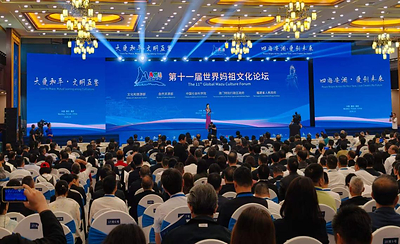
At the opening ceremony, a collection of the first batch of national marine hazard mitigation cases was released, summarizing China’s experience in marine disaster mitigation, while the version 2.0 of the Mass Conservation Ocean Model (MaCOM) was also launched, containing the latest technological achievements for disaster prevention and mitigation.
The forum also held a ceremony to officially deliver a smart all-in-one box for China’s intelligent meteorological early warning solution MAZU to Sri Lanka.
At the forum, the Meizhou Declaration of the 11th Global Mazu Culture Forum was announced, building broad consensus among people from all walks of life on the core values of Mazu culture.
The forum featured 10 sub-forums covering a range of topics including cultural and tourism cooperation, youth exchanges, universal love and peace, the marine economy, green electricity on islands, rural revitalization, mangrove ecology, humanitarianism, women’s exchanges, and cultural exchanges between China and Brazil.
Meanwhile, 13 satellite venues were set up across the continents, where participants watched the proceedings via video link.
From Meizhou Island, which is renowned as the hometown of the Chinese sea goddess Mazu, the Mazu culture has spread to 52 countries and regions globally with over 300 million followers.
The Global Mazu Culture Forum was first introduced in 2016 and has been held annually since then. It has now become an important platform for promoting Mazu culture, deepening the integration of culture and tourism, and facilitating mutual learning among civilizations.
Original link: https://en.imsilkroad.com/p/352814.html
 View original content to download multimedia:https://www.prnewswire.co.uk/news-releases/xinhua-silk-road-multiple-achievements-unveiled-at-11th-global-mazu-culture-forum-302928694.html

4, Nov 2026
Odisha Accelerates National Waterway-5 Project to Boost Industrial Growth and Inland Connectivity
Bhubaneswar, Nov 4 (UDN): Odisha is stepping up efforts to develop National Waterway-5 (NW-5) with the aim of strengthening inland water transport, improving cargo connectivity and accelerating industrial growth across the state.
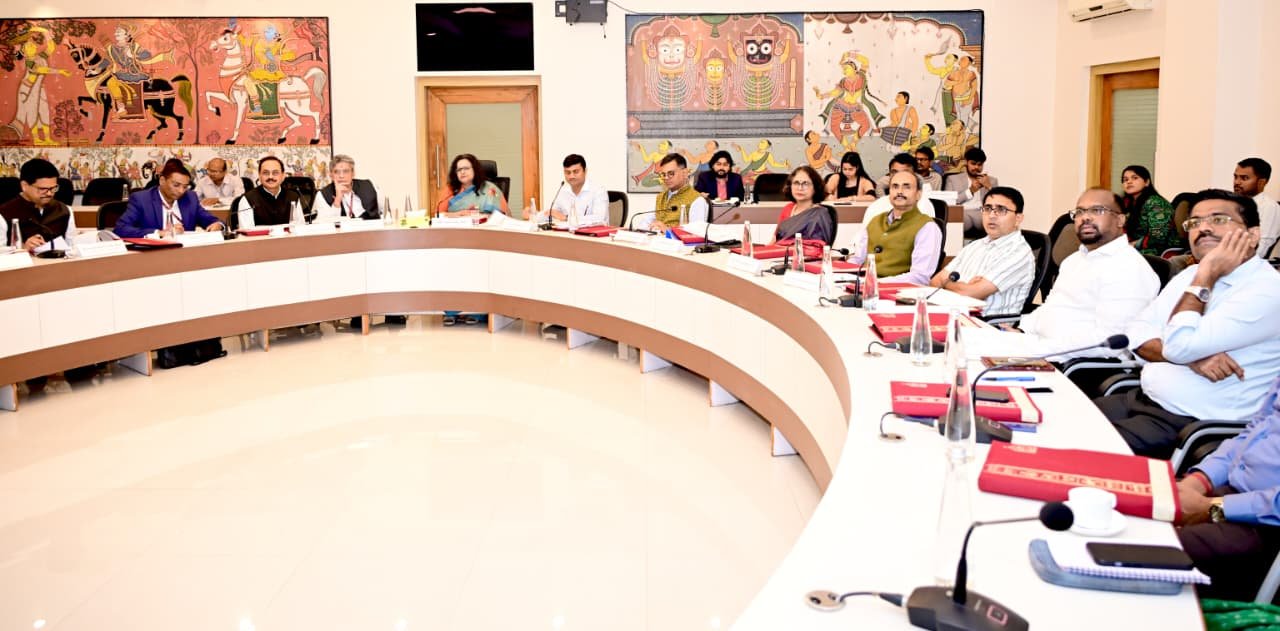
Pic Credit: x.com/SecyChief
Chief Secretary Anu Garg highlighted the state government’s commitment to the ambitious project during a high-level review meeting held on Tuesday in the presence of Vijay Kumar, Secretary of the Union Ministry of Ports, Shipping and Waterways.
Senior officials from various state government departments, along with representatives of industries, participated in the meeting to discuss the project’s progress, implementation challenges and coordination requirements.
588-Km Waterway to Connect Odisha and West Bengal
The proposed National Waterway-5 will cover approximately 588 kilometres and comprise two major stretches.
The first is a 332-km riverine corridor connecting Talcher with Paradip and Dhamra ports, entirely within Odisha. The second is a 256-km canal stretch linking Dhamra in Odisha with Geonkhali in West Bengal.
Once developed, the waterway is expected to provide an alternative transportation route for mineral-rich and industrial regions of Odisha, facilitating the movement of bulk cargo and strengthening connectivity with major ports.
The project is currently awaiting the necessary approvals.
Focus on Infrastructure and Implementation Challenges
During the meeting, officials reviewed several pending issues requiring coordinated action between the Inland Waterways Authority of India (IWAI) and the Odisha Government.
Key discussions focused on land acquisition and transfer for terminals and hydraulic structures, infrastructure development, and arrangements for the operation and maintenance of the waterway.
Ensuring sufficient water availability to maintain the required Least Available Depth (LAD) for navigation also emerged as an important issue.
Other critical components discussed included the development of the Khalpal Navigational Lock, obtaining statutory clearances, construction and dismantling of bridges, improving last-mile road connectivity and shifting high-tension and low-tension electricity lines.
The timely resolution of these issues will be crucial for moving the project towards implementation.
Bahuda Port, Shipbuilding Cluster and Puri Cruise Terminal Also Reviewed
Apart from National Waterway-5, the meeting discussed other major maritime and tourism infrastructure initiatives planned in Odisha.
These include the proposed Bahuda Muhan Port, a Shipbuilding Cluster in Kendrapara district and the development of a Cruise Terminal at Puri.
The projects are expected to strengthen the state’s maritime infrastructure, attract industrial investment, generate employment opportunities and provide a boost to coastal tourism.
Odisha Assures Full Support
Chief Secretary Anu Garg assured the Union Government and other stakeholders that the Odisha Government would extend all necessary assistance for the timely implementation of the state’s share of National Waterway-5.
She also reiterated the state’s commitment to expediting other important port-led development projects to strengthen industrial infrastructure, improve logistics efficiency and promote cruise tourism.
With the proposed waterway and associated maritime projects, Odisha is looking to expand its inland transportation network and unlock new opportunities for industrial and economic development.
4, Nov 2026
Bali Yatra 2026 to Go Plastic-Free; 500 ORMAS Stalls to Promote Odisha’s Traditional Crafts
Cuttack, Nov 4 (UDN): In a major step towards promoting environmental sustainability and showcasing Odisha’s rich cultural heritage, the historic Bali Yatra in Cuttack will be organised as a plastic-free event this year. The grand fair will place special emphasis on promoting the state’s traditional handloom, handicrafts and rural products, with the Odisha Rural Development and Marketing Society (ORMAS) planning to set up as many as 500 stalls across the fairground.

Representational Image
The preparations for the annual Bali Yatra and the upcoming State Book Festival were reviewed at a high-level meeting chaired by Culture Minister Suryabanshi Suraj.
Bali Yatra from November 24 to December 1
This year’s Bali Yatra will be held from November 24 to December 1, with the state government proposing a budget allocation of Rs 10 crore for the event.
Two dedicated stages will host a series of cultural programmes, showcasing Odisha’s diverse artistic traditions and cultural performances. A special attraction will be the expected participation of a delegation from Bali, Indonesia, highlighting the centuries-old maritime, cultural and historical connections between Odisha and the Indonesian island.
‘Cuttack-in-Cuttack’ to Highlight Odisha-Bali Heritage
A special pavilion titled ‘Cuttack-in-Cuttack’ will be developed to showcase the historical and cultural links between ancient Kalinga and Bali. Visitors will get an opportunity to explore similarities in language, food, traditional attire and cultural practices.
The pavilion will also feature a digital information wall, along with displays of traditional palm-leaf manuscripts, offering visitors a glimpse into Odisha’s glorious past and its longstanding cultural connections with Southeast Asia.
State Book Festival from December 4
The meeting also reviewed preparations for the State Book Festival, scheduled to be held in Bhubaneswar from December 4 to 14.
The festival will feature special thematic pavilions dedicated to the life and legacy of Kapilendra Deva, ‘Vande Mataram’ and ‘Gyan Bharatam’. Several literary activities, including children’s literature programmes, interactive ‘Meet the Author’ sessions, quiz competitions and open-mic events, will also be organised to encourage reading and literary engagement.
Cultural Infrastructure Projects Reviewed
Apart from the two major events, the meeting reviewed the progress of several important cultural infrastructure projects across the state.
These include Kalamandala, the Utkal University of Culture auditorium, Kala Vikash Kendra, Bakul Bana and the renovation of Bhanja Kala Mandap.
Proposals for establishing a modern museum in Bhubaneswar, a Jagannath Interpretation Centre and Museum in Puri, and a regional campus of the National School of Drama were also discussed.
The Culture Minister directed the concerned officials to speed up the ongoing works and ensure that all projects are completed within their stipulated deadlines.
Culture Department Secretary Dr Vijay Ketan Upadhyay, Cuttack Collector Dattatraya Bhausaheb Shinde, along with senior officials from IDCO, OBCC and the Culture Department, attended the review meeting.
With a focus on sustainability, cultural exchange and rural entrepreneurship, Bali Yatra 2026 is expected to offer visitors a vibrant celebration of Odisha’s traditions while providing a major platform for local artisans and entrepreneurs.
4, Nov 2026
Srimandir Darshan to Remain Suspended for Four Hours Today for Lord Jagannath’s Banakalagi Ritual
Puri, Nov 4 (UDN): Devotees visiting the Shree Jagannath Temple in Puri today will have to plan their darshan accordingly, as public entry to the temple will remain suspended for approximately four hours in view of the sacred Banakalagi ritual of the deities.

Representational Image
According to the temple administration’s advisory, the special ritual will be performed from 6 PM to 10 PM on Wednesday, corresponding to the Dashami Tithi of Kartika Krishna Paksha.
During this period, devotees will not be allowed to have darshan of the deities. The Jaya Vijaya entrance to the sanctum sanctorum will also remain closed to maintain the confidentiality and sanctity of the ritual.
What Is the Banakalagi Ritual?
Banakalagi is an important traditional ritual in which the facial features and colours of Lord Jagannath, Lord Balabhadra, Devi Subhadra and Lord Sudarshana are carefully restored using natural and indigenous materials.
The ritual is performed by the Dutta Mahapatra servitors, who use traditional ingredients such as Hingula (cinnabar), Haritala (orpiment), Kasturi (musk) and special organic oils to refresh the distinctive colours of the deities.
The traditional colours, including red, white, black and yellow, are carefully applied to preserve the divine appearance of the deities and protect their wooden forms.
Devotees Advised to Plan Their Visit
As Banakalagi is a confidential ritual governed by centuries-old temple traditions, only designated servitors are permitted to perform the sacred work. No devotees or outsiders are allowed inside the restricted area while the ritual is underway.
The Shree Jagannath Temple Administration has advised devotees, particularly those travelling from outside Puri, to take note of the revised darshan schedule and avoid inconvenience.
Regular public darshan is expected to resume after the completion of the Banakalagi ritual and the subsequent customary purification ceremonies.
The ritual remains an important part of the centuries-old traditions of Srimandir, reflecting the unique customs and spiritual heritage of Lord Jagannath’s abode.
4, Nov 2026
Small Joys, Big Market: Products That Spark Joy Take the Spotlight at 140th Canton Fair
GUANGZHOU, China, Nov. 4, 2026 /PRNewswire/ — As emotional value becomes a key consumption driver, consumers are increasingly willing to pay for fun, companionship and peace of mind, offering an everyday interpretation of what “Better Life” truly means. This trend was on display throughout Phase 3 of the 140th Canton Fair.
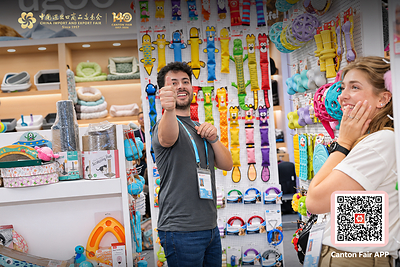
Small Products, Big Feelings
In the Office Supplies Section, beyond traditional business supplies, vibrant products are capturing attention. Pens are expected to be visually appealing while staplers are designed to be cute as well as functional. Products that provide a burst of pleasure are gaining popularity.
3D stickers have emerged as a favorite among journaling enthusiasts. These stickers double as puzzles, requiring no glue and allowing users to assemble them for fun, turning decorations into interactive toys.
In the Toys Section, bag charms in various designs are ubiquitous. Meanwhile, animal-shaped sofa cushions in lazy, prone poses offer a healing touch. Filled with eco-friendly weighted glass beads, they provide a gentle hugging sensation, offering comfort and relaxation.
Emotional Comfort Across Categories
Emotional comfort was equally evident in products designed for children and pets.
A duck-shaped toy created for infants and toddlers aged 6 to 36 months attracted interest from overseas buyers. Simulating the movements of a real duck through head-turning and waddling motions alongside lights, sounds and voice guidance, the toy supports crawling, early learning and emotional comfort. Educational and bedtime-soothing modes offer music, stories, nursery rhymes and bilingual content, helping nurture development and providing a sense of security.
Meanwhile, the Pet Products and Food Section demonstrated how emotional needs also extend to animal companions. From creatively designed cat climbing structures to interactive automatic toys, exhibitors presented products aimed at enriching pets’ daily lives and strengthening the bond between pets and their owners.
As consumers increasingly seek products that deliver emotional as well as practical benefits, Phase 3 of the 140th Canton Fair offers a glimpse into evolving lifestyles and expectations. The message behind “Better Life” is clear: better living is no longer defined solely by utility, but by products that bring comfort, connection and joy.
For more convenient attendance, please click here for pre-registration:
https://buyer.cantonfair.org.cn/register/buyer/email?source_type=16
 View original content to download multimedia:https://www.prnewswire.co.uk/news-releases/small-joys-big-market-products-that-spark-joy-take-the-spotlight-at-140th-canton-fair-302927569.html

4, Nov 2026
Loyalty Juggernaut and On Point Loyalty Launch fidivio, the Loyalty Industry’s First Integrated Financial Planning, Analysis and IFRS-Compliant Accounting Platform
fidivio connects loyalty operations with enterprise finance to strengthen financial control and improve program economics
PALO ALTO, Calif., Nov. 4, 2026 /PRNewswire/ — Loyalty Juggernaut, Inc., a global leader in enterprise loyalty technology, and On Point Loyalty, a leading consulting firm specializing in loyalty strategy and finance, today launched fidivio, a purpose-built SaaS platform for the financial management of loyalty programs. Jointly developed by the two companies, fidivio combines IFRS-compliant loyalty accounting, financial planning and analysis, and fidi, an AI-powered financial assistant.
“Enterprises are asking loyalty to contribute more to growth, and that requires greater discipline in how they invest in and manage their programs,” said Shyam Shah, CEO and Co-Founder of Loyalty Juggernaut. “With fidivio, we are extending our commitment to helping brands turn loyalty into an enterprise growth engine. Our ambition is to give finance and loyalty leaders the financial confidence to pursue growth opportunities while maintaining control over program economics.”
“Loyalty programs have evolved into substantial financial businesses, yet their financial management often remains fragmented across systems and spreadsheets,” said Evert de Boer, CEO of fidivio. “This limits executives’ visibility into performance and their ability to assess the financial consequences of program changes. We built fidivio to address that gap, embedding specialist financial models and methodologies into everyday accounting and planning. fidi AI makes that expertise more accessible, helping teams understand the drivers behind financial outcomes, evaluate scenarios, and make more informed decisions.”
fidivio combines Loyalty Juggernaut’s enterprise technology expertise and experience powering loyalty programs for iconic global brands including Emirates, Liverpool, WestJet, Global Hotel Alliance, Shoppers Stop and Deutsche Telekom through its flagship GRAVTY® platform with On Point Loyalty’s specialized expertise in loyalty economics, financial modeling and program valuation, drawing on experience advising more than 40 airlines worldwide.
The platform provides three connected capabilities:
- IFRS-compliant loyalty accounting: Automates deferred-revenue and program-liability calculations, with configurable accounting assumptions, financial statements and reconciliation outputs.
- Financial planning and analysis: Connects program performance with budgets and forecasts. Teams can model scenarios for issuance, redemption and breakage, evaluate financial sensitivities and identify the actions needed to achieve specific financial targets.
- fidi AI: Enables users to investigate trends and financial variances through natural-language questions, generate tailored reports and dashboards, and explore financial scenarios using authorized program data.
fidivio runs on AWS and comes pre-integrated with GRAVTY®, connecting loyalty operations directly with financial accounting, forecasting and scenario planning. This integration gives finance and loyalty teams a shared view of program activity and its financial impact. fidivio also supports integration with other loyalty management and enterprise finance systems, serving programs across industries and operating models, including in-house programs, profit centers and standalone loyalty businesses.
fidivio is already in production at Nexxia, a Mexico-based loyalty and data solutions company serving brands across Latin America, bringing the platform’s capabilities into a live enterprise environment.
“As our loyalty business grows, we need accounting processes and financial controls that can grow with it,” said Liliana Galeano Pardo, Chief Financial Officer of Nexxia. “fidivio helps us maintain a consistent view of deferred revenue and program liabilities, with reporting that supports reconciliation and financial oversight. It gives our team a stronger foundation for managing the obligations associated with our programs.”
“Well-designed loyalty programs create lasting value for customers and businesses alike, combining meaningful customer engagement with strong financial performance,” said Roberto Muñoz Guillen, Co-Founder and CEO of Nexxia. “At Nexxia, we are building world-class enterprise loyalty programs that demand the same level of sophistication in financial management. The implementation of fidivio strengthens our ability to understand the economic impact of our decisions and allows us to continue scaling with greater visibility, discipline, and confidence.”
About fidivio
Jointly developed by Loyalty Juggernaut and On Point Loyalty, fidivio is an enterprise-grade, cloud-native platform serving finance, loyalty, and executive teams responsible for the financial performance of loyalty programs. Combining specialized financial expertise with purpose-built technology, fidivio enables enterprises to manage their loyalty programs as financial businesses with greater clarity and control over their financial performance. Learn more at www.fidivio.com.
About Loyalty Juggernaut
Headquartered in Palo Alto, California, Loyalty Juggernaut is a global leader in enterprise loyalty technology. Its flagship AI-native platform, GRAVTY®, powers over 80 programs across airlines, retail, hospitality, telecommunications and financial services. GRAVTY® helps brands turn loyalty into an enterprise growth engine through deeper customer engagement, expanded partner ecosystems and stronger program economics. The platform brings together agentic capabilities, U.S.-patented AI and ISO/IEC 42001-certified AI governance, enabling brands to individualize offers for millions of members within minutes and detect fraud as it happens. Loyalty Juggernaut was recognized as a Strong Performer in The Forrester Wave™: Loyalty Platforms, Q4 2025. Learn more at www.lji.io.
About On Point Loyalty
On Point Loyalty is a global advisory firm specializing in loyalty strategy, program economics, financial modeling and valuation. The firm helps organizations design, manage and optimize loyalty programs to maximize their contribution to enterprise value. It publishes the Top 100 Most Valuable Airline Loyalty Programs report, whose 2026 edition analyzes more than 170 airlines. Its experts have authored books on loyalty strategy and currency economics, with research published in Harvard Business Review. Learn more at www.onpointloyalty.com.
Media Contact: media@lji.io

3, Nov 2026
H.E. Ahmed Al-Khateeb, Saudi Minister of Tourism, Inaugurates Saudi Land at WTM London 2026, Reinforcing Saudi’s Commitment to Global Travel Trade
- 37 Saudi tourism partners connect with international travel buyers to showcase new destinations, experiences and opportunities for winter and beyond.
- Saudi celebrates its newest luxury destination, AMAALA, in partnership with Red Sea Global.
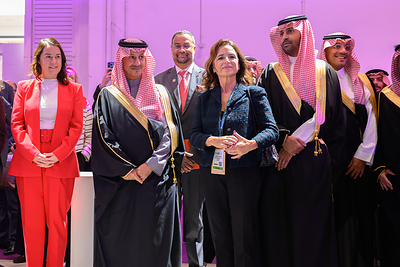
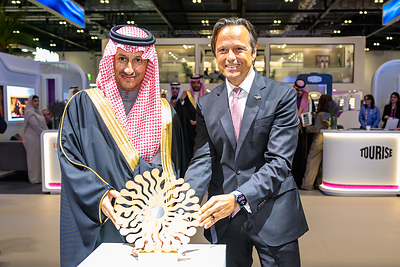
LONDON, Nov. 3, 2026 /PRNewswire/ — His Excellency Ahmed Al-Khateeb, Minister of Tourism and Chairman of the Board of Directors of the Saudi Tourism Authority (STA), officially inaugurated Saudi Land at World Travel Market (WTM) London 2026, alongside Ageel Alshaibani, CEO of STA, and Rachel Travers, President of the RX Global, organizer of WTM London, bringing together 37 Saudi tourism partners to showcase the country’s expanding tourism offering and strengthen commercial partnerships with the global travel trade.
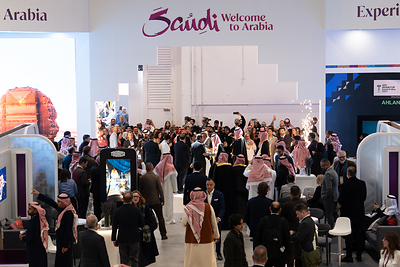
Over the three-day event, Saudi’s delegation will engage international tour operators, airlines and travel distributors, introducing new products and experiences across destinations including Riyadh, Jeddah, AlUla, the Red Sea, and AMAALA, while creating opportunities to drive demand for the upcoming winter season and beyond.
His Excellency Ahmed Al-Khateeb, Saudi Minister of Tourism and Chairman of the Board of Directors of the Saudi Tourism Authority, said: “Resilience is built before you need it, and this year Saudi tourism has demonstrated the strength of its foundations. In the first half of 2026, Saudi welcomed about 61.2 million tourist, representing about 1% growth year-on-year, while tourism expenditure reached about SAR 151.9 billion (approximately $40.5 billion). We know the pressures our partners and travelers have faced, and our commitment to them is long term, as we work towards our ambition of welcoming 150 million tourists by 2030. No destination builds that kind of resilience alone, so we will continue bringing the industry together, here in London and through TOURISE, the global, year-round platform shaping the future of tourism.”
Ageel Alshaibani, CEO of STA, added: “Our trade partners have been instrumental in Saudi tourism’s growth, and their success remains our priority. At WTM London, we are showcasing Red Sea escapes, desert experiences and a winter calendar featuring Riyadh Season and Winter at Tantora in AlUla, alongside attractions such as Six Flags Qiddiya City and Aquarabia. These experiences are backed by continued hospitality investment, with about 623K licensed room keys across hotels, apartments and other accommodation in H1 2026, including more than 44K room keys in newly licensed facilities. We are here to create opportunities and grow together.”
Saudi Land celebrated AMAALA, one of Saudi’s newest luxury coastal destinations, as a key highlight of its opening day, showcasing the destination’s growing hospitality offering to international travel partners. Since June, seven resorts, including properties from Four Seasons, Six Senses, Rosewood and Nammos, have welcomed guests, further strengthening AMAALA’s position as a distinctive luxury destination and adding to Saudi’s expanding portfolio of high-end tourism experiences.
Saudi Land also brings the country’s cultural heritage to life throughout the event, with traditional music and dance, Arabic calligraphy and interactive experiences inspired by destinations across Saudi Arabia.
Saudi Land will remain open at stand S9-200 at ExCeL London until 5 November, with 37 tourism partners engaging international buyers, developing new partnerships and creating commercial opportunities for the future.
 View original content to download multimedia:https://www.prnewswire.co.uk/news-releases/he-ahmed-al-khateeb-saudi-minister-of-tourism-inaugurates-saudi-land-at-wtm-london-2026-reinforcing-saudis-commitment-to-global-travel-trade-302928545.html

3, Nov 2026
LOGICALIS BECOMES FIRST CISCO GLOBAL PARTNER TO ACHIEVE SECURE NETWORKING SPECIALISATION ACROSS FIVE COUNTRIES
LONDON, Nov. 3, 2026 /PRNewswire/ — Global technology service provider, Logicalis, has become the first Cisco global partner to achieve Cisco’s Secure Networking Specialisation across five countries, strengthening its global managed services capabilities across networking and security.

Achieved in the United States, Germany, Brazil, China and Indonesia, the specialisation validates Logicalis’ expertise in designing, implementing and managing secure network environments. Logicalis plans to double the number of accredited countries within six months.
The recognition gives customers access to validated Cisco expertise through a global delivery model, supported by local market knowledge and regional Network Operations Centres and Security Operations Centres.
As organisations prepare for AI-driven workloads, Logicalis and Cisco are evolving their Secure Networking managed services to improve visibility, strengthen resilience and simplify infrastructure management. Built on Cisco Cloud Control and enhanced by Cisco IQ, where available, alongside Cisco Data Fabric, these services support more automated, secure and AI-ready operations.
With networks carrying more business-critical traffic and supporting a growing range of users, devices and workloads, organisations need stronger security controls and operational insight. Logicalis helps customers assess their environments, prioritise modernisation and adopt more automated, policy-driven operations, enabling continuous improvement while reducing complexity across distributed IT environments.
Anita Swann, VP, Global Alliances at Logicalis, said, “This specialisation reflects the strength of our longstanding relationship with Cisco and the investments we continue to make in the skills, platforms and services our customers need. By bringing networking and security together within a transformational managed services model, we can help organisations reduce complexity, strengthen resilience and build the secure foundations required for AI.”
Elisabeth De Dobbeleer, SVP, Cisco Global Partner Program GTM at Cisco, said, “Cisco’s partner ecosystem is central to helping customers translate technology innovation into measurable outcomes. Logicalis’ ability to achieve Cisco’s Secure Networking Specialisation in five countries combined with their capacity to deliver managed services at scale, demonstrates the expertise, innovation, and customer focus that define our strongest partners. Their global capability combined with local expertise help customers modernise their infrastructure, simplify operations and prepare securely for the AI era.”
About Logicalis
We are Architects of Change™. We help organisations succeed in a digital-first world. At Logicalis, we harness our collective technology expertise to help our clients build a blueprint for success, so they can deliver sustainable outcomes that matter.
 View original content to download multimedia:https://www.prnewswire.co.uk/news-releases/logicalis-becomes-first-cisco-global-partner-to-achieve-secure-networking-specialisation-across-five-countries-302927866.html



